
If you’re a homeowner, chances are you know the importance of protecting your most valuable asset. Water damage to your home can be an expensive headache that should be avoided at all costs – but how? With a few preventative steps and proper maintenance, avoiding water damage in your abode is entirely possible. Read on for our top 10 tips to help protect the value of your property from devastating water damage!
Maintain Your Gutters and Downspouts
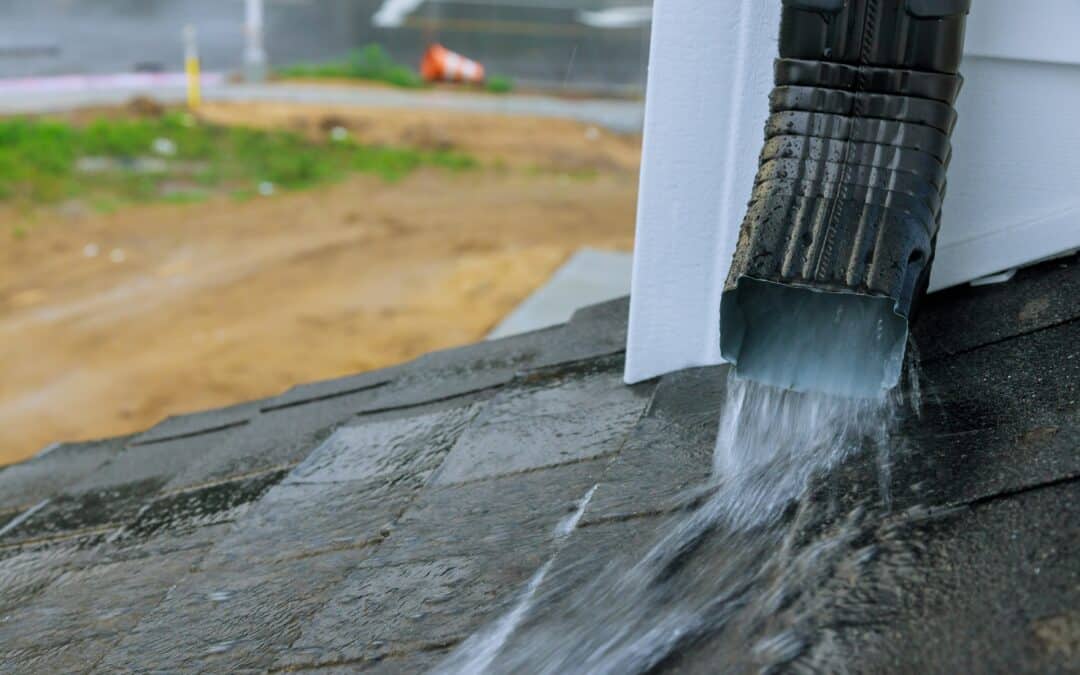
Regularly clean your gutters to prevent blockages and ensure downspouts are pointed away from your home to avoid water collecting near your foundation. This also helps to prevent flooding in your basement as well as damage to the exterior of your home.
Inspect Your Roof
Periodically inspect your roof for any signs of damage and have maintenance done as soon as possible. Check for any cracked, curled or missing shingles and inspect the flashing around chimneys, skylights and roof valleys. Ensure your roof is properly ventilated as well – inadequate airflow can lead to moisture buildup which may result in water damage down the line.
Make Sure Your Windows are Sealed
Ensure that all windows are properly sealed to keep moisture out. Check for cracks or gaps around the frame, and replace or fix any damaged seals. Also make sure window screens are properly in place and free of tears.
Monitor Your Water Bill
An unexpected increase in your water bill may indicate a leak somewhere in your home. If you notice a sudden increase, contact a plumber to investigate.
Upgrade Washing Machine Hoses
Old, brittle washing machine hoses are a role in preventing extensive water damage to your property. Consider upgrading to stainless steel or braided hoses, which are more durable and less likely to burst.
Know Your Water Main Location
Knowing where your water main is can help you quickly turn off your water supply in case of a major leak. The main shut-off valve is typically located near the front of your home.
Install Water Detection Devices
These devices can alert you to leaks or flooding, allowing you to respond quickly and minimize damage. Installing a few of these around your home could save you thousands in water-related repairs.
Insulate Pipes in Freezing Weather
Insulating your pipes can prevent them from freezing and bursting. Make sure to insulate them in colder months and check the insulation levels regularly. This will help protect your pipes from freezing, bursting, and causing flooding or water damage in your home.
Regularly Check Your Appliances
Regularly inspect appliances such as dishwashers, refrigerators, and water heaters for signs of leaks or wear. Also make sure to check the hoses and connections on appliances such as washing machines, ice makers, and dishwashers for any signs of damage. If you notice any issues, contact a professional immediately.
Maintain Your Landscaping
Carefully consider the layout of your yard and the way it may affect water runoff. Plantings and other features of your landscape should ideally encourage water to flow away from your property, not towards it. Ensure your sprinkler system is not overwatering your yard, as excessive water can seep into your foundation and cause damage. Additionally, make sure tree roots aren’t growing too close to your home’s foundation, as they can cause cracks and other damages where water can seep in.
Protect Your Home, Maintain Peace of Mind
Safeguarding your home from water damage requires a diligent and proactive approach. Regular maintenance, vigilant inspections, and immediate corrective actions all play a significant part in averting costly repairs. By following these 10 tips, you are not just protecting your home but also preserving its value. Remember, your home is more than just a shelter, it’s an investment that you must protect for your future. So, maintain your home, keep an eye out for potential water damage threats, and enjoy the peace of mind that comes from knowing you’ve done all you can to protect your most